Who We Are ?Sakhisizwe
About Us
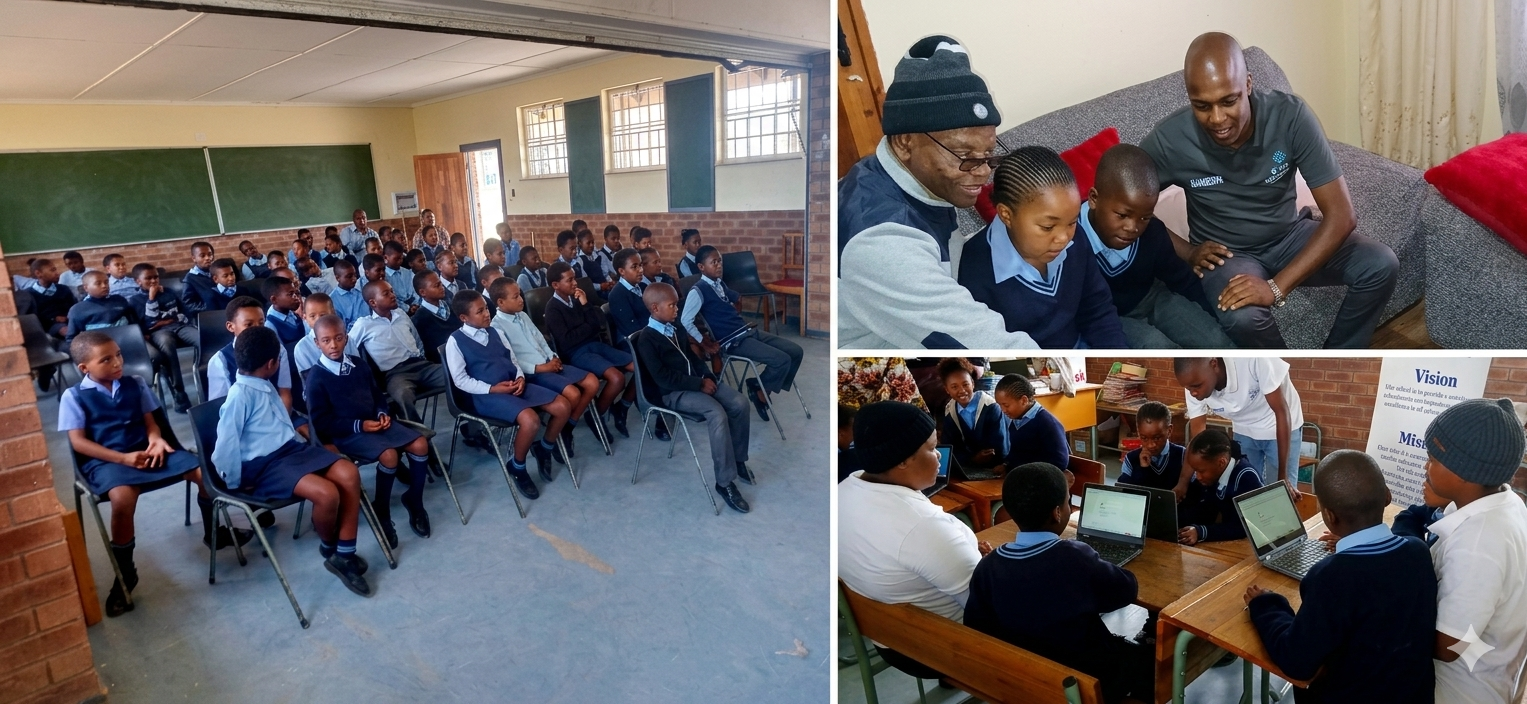
Sakhisizwe Digital Education is a registered non-profit organization (Reg No: 291-389 NPO) based in Ezibeleni, Eastern Cape. Founded in response to South Africa’s literacy crisis and growing digital inequality, we focus on making education more inclusive and accessible.
Our Background
Our organization was inspired by findings from the Progress in International Reading Literacy Study (PIRLS), which highlighted severe challenges in reading and comprehension among South African learners. Combined with the effects of COVID-19 and the rapid shift toward digital education, these challenges disproportionately affect underprivileged communities.
Vision
To promote active parental involvement and support in the comfort of every learner’s home.
Mission
To reduce historical inequalities and bridge the digital divide by using technology to create an engaging and accessible learning environment.
What We Do
Our key objectives include:
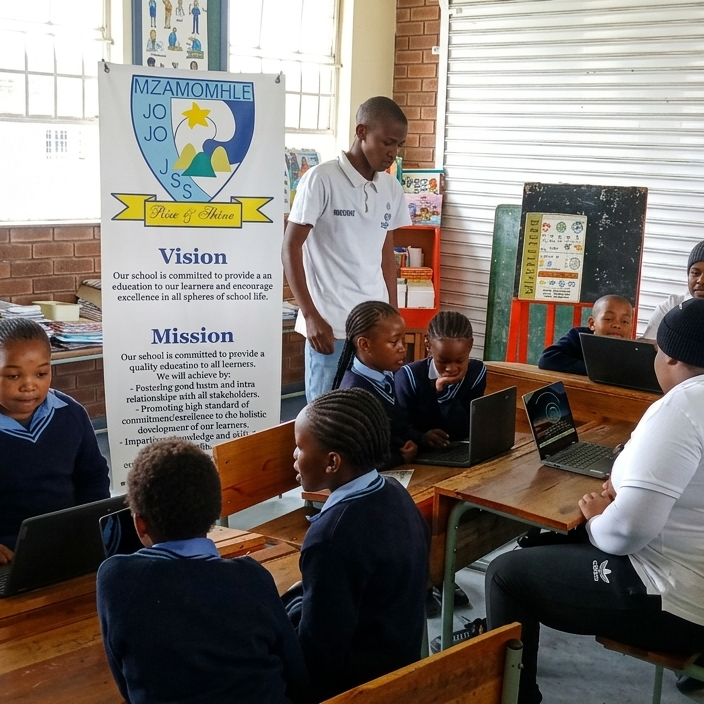
Using ICT tools to empower learners and communities
Training parents and guardians to support education at home
Supporting learners with special needs
Providing literacy resources while awaiting digital tools
Strengthening collaboration with schools and communities
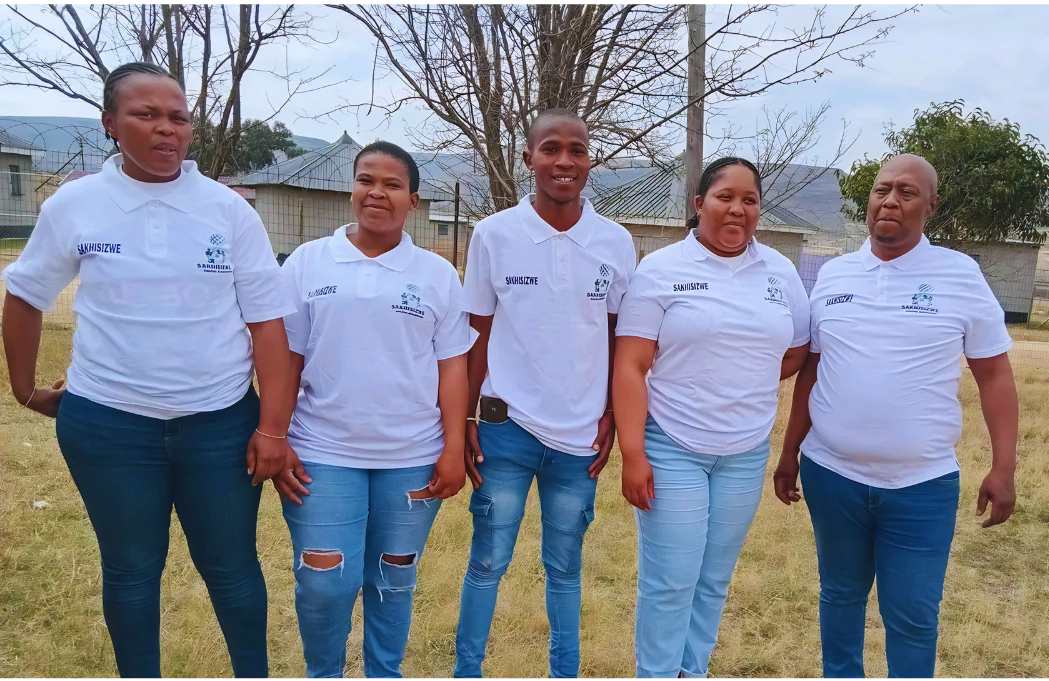
Our Team & Expertise
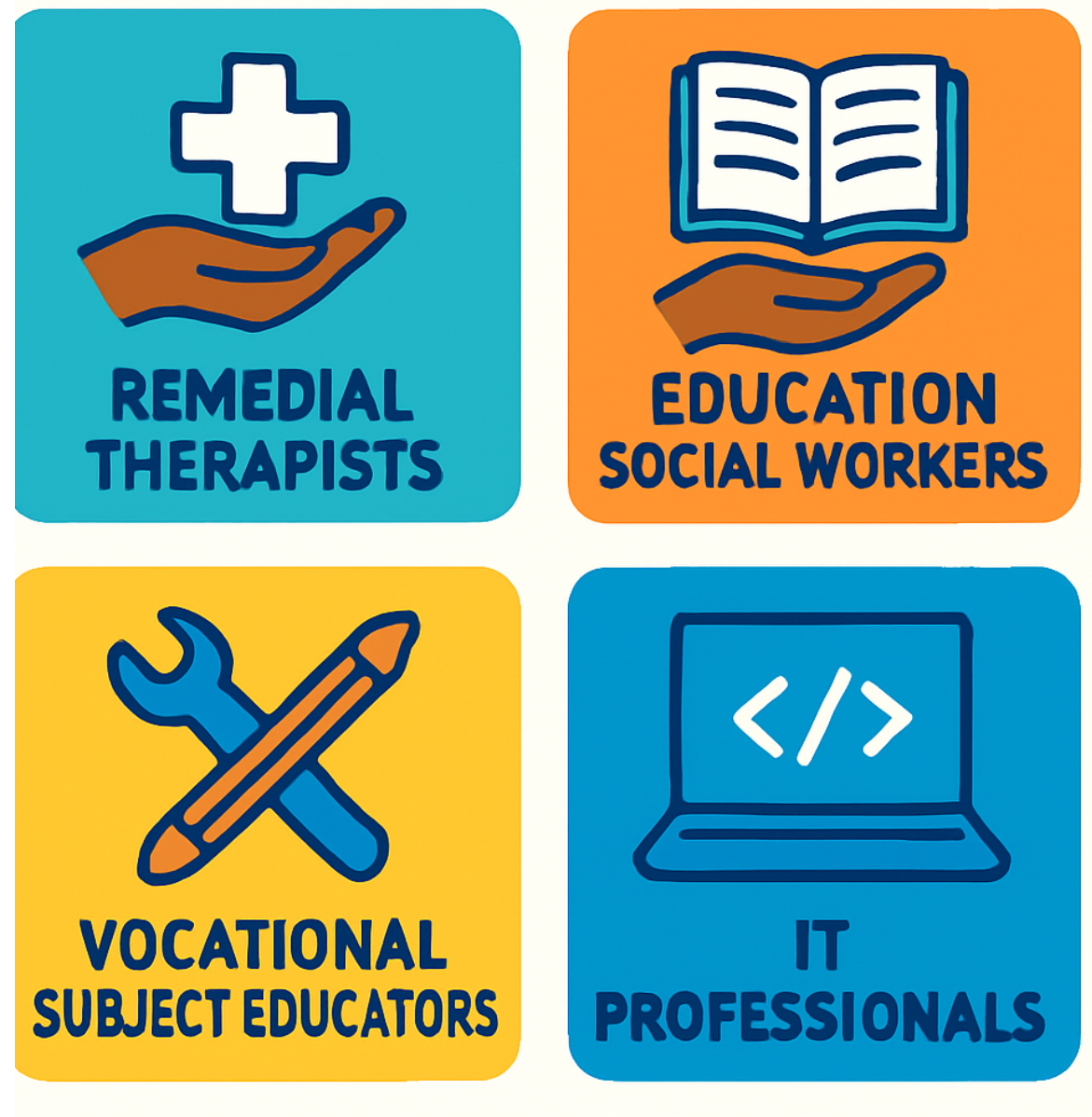
We collaborate with:
• Remedial therapists
• Education social workers
• Vocational subject educators
• IT professionals
Partner with US
Our Approach
We bring the classroom into the home by:
• Providing tablets with recorded lessons
• Training parents and guardians
• Partnering with schools and governing bodies
• Leveraging skilled professionals in education and technology